
Business Models: The Banal Made Brilliant
In the fall of 2023 we had the opportunity to spend a week in Portugal. Of the many beautiful destinations in the country we elected to visit Porto in the north, nestled in hills at the mouth of the river Douro and home to the world’s port wine trade.
Porto is magnificent and, in the off season, the sense of the local prevails over the touristic. Early Christmas markets sprinkled throughout neighbourhoods were daily destinations; local crepes, coffee and crafts were among the many draws. On our second last evening we got to attend the official lighting of the Christmas tree at city hall, officially kicking off the holiday season.
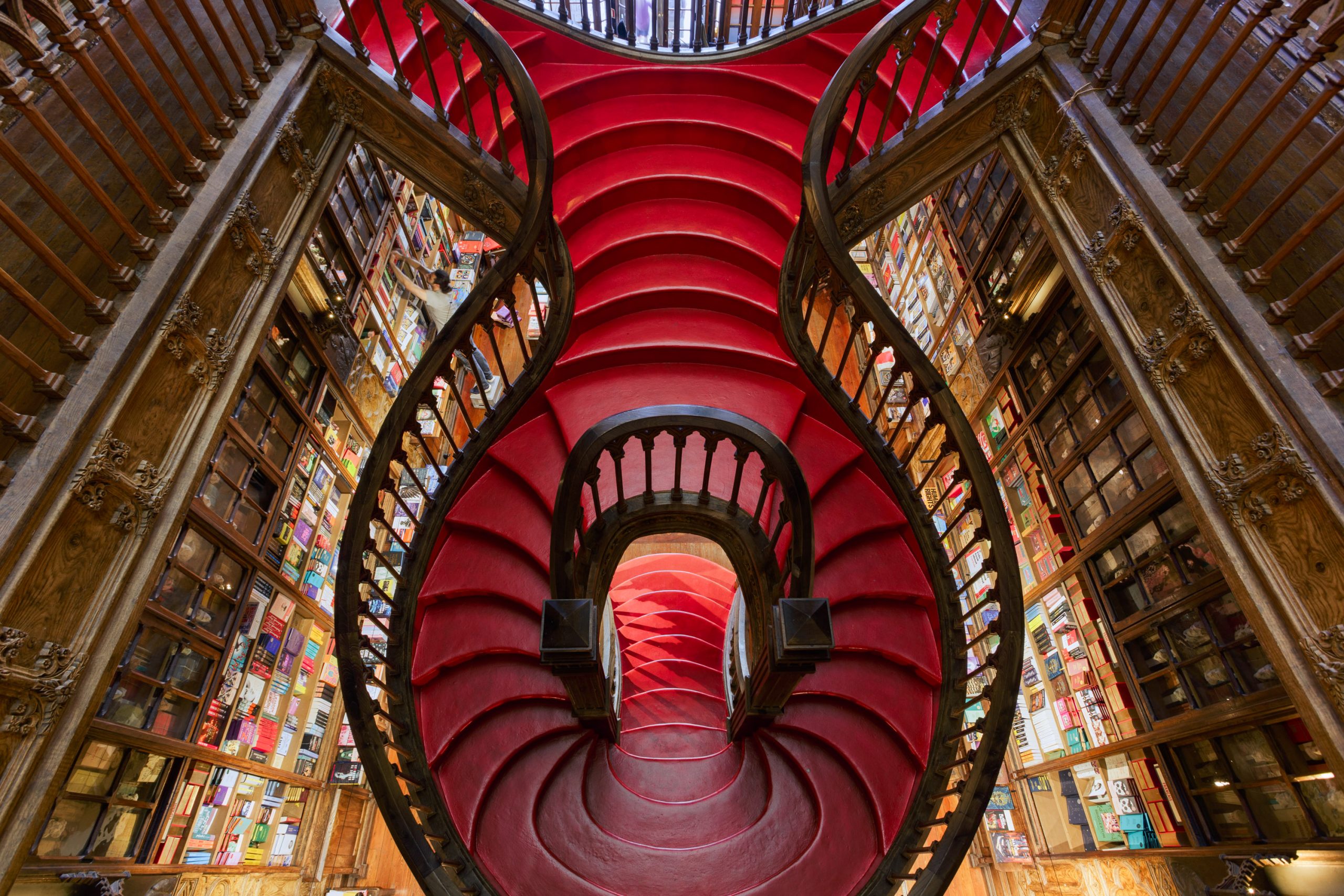
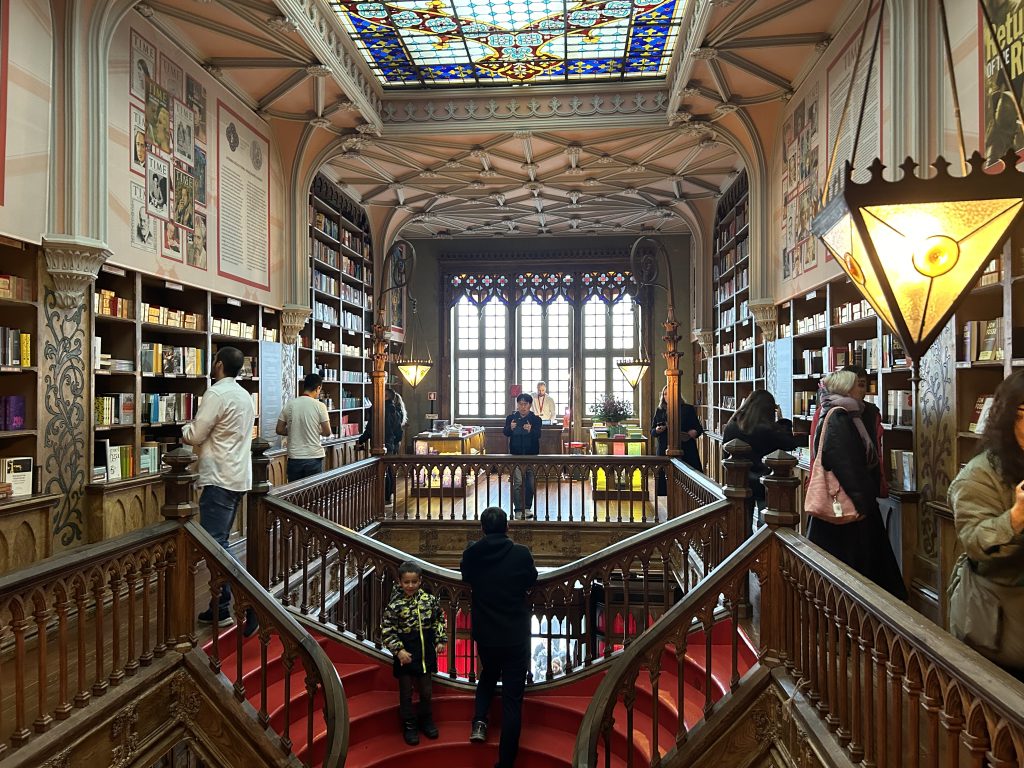
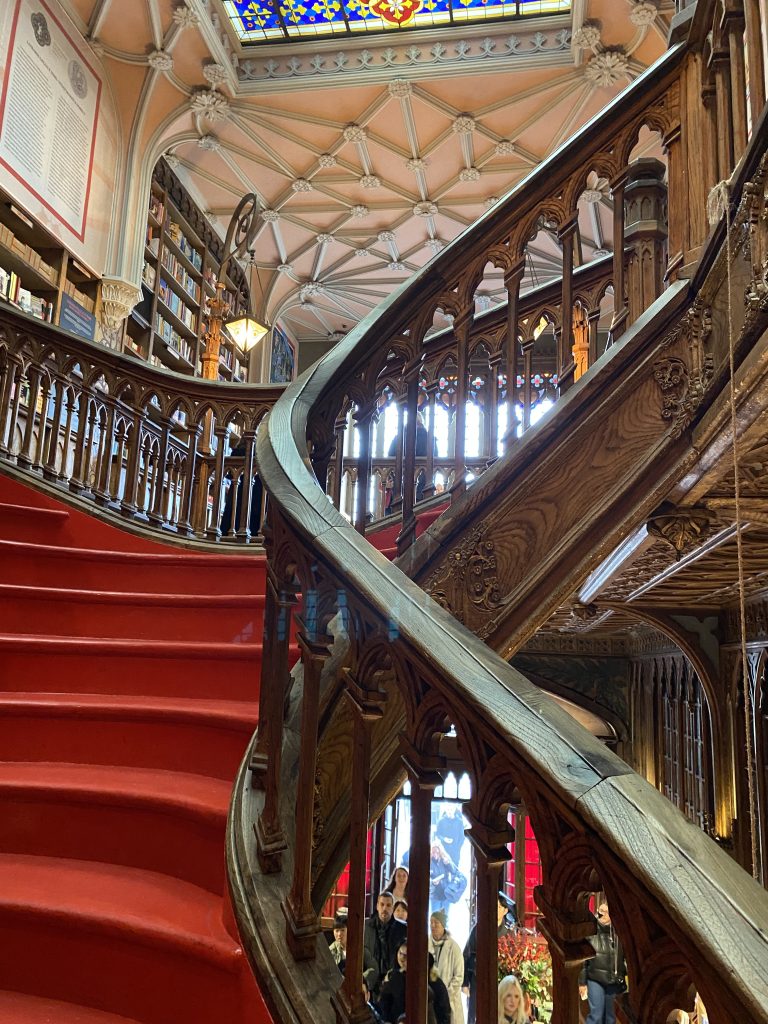
What we did not expect, was “discovering” Livraria Lello, an independent bookstore. Calling it a bookstore is actually an epic failure to capture what Lello truly is. Opened in 1906, it is described as the most beautiful bookstore in the world.
Books would surely be one of the most commoditized of products; bookselling is cutthroat at the best of times and even more so with the advent of Amazon and its erstwhile competitors. Books have their prices printed right on them, controlled by the publisher, not the retailer. Promoted by a publicist; wholesaled freely to all comers.
Lello’s brilliant owners decided to differentiate themselves in four very specific ways. When I say “differentiate” I mean it also in the sense of monetizing the differentiation. Not just standing out, but standing out for a price that captures the value they create for their patrons. All four would fall under the category of “client experience”
The first is using their building to maximal advantage. The interior is a testament to Art Nouveau décor and once in (more on this later), you can ogle the architecture along with the books.
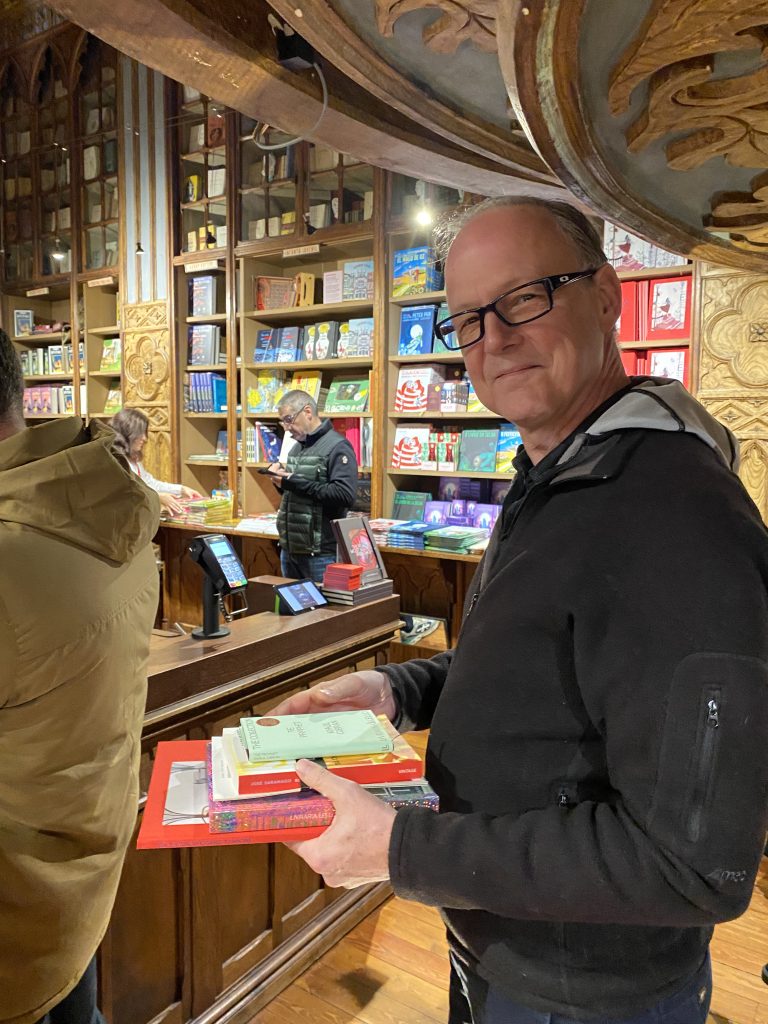
The second is that their focus is not on themselves, but on authors. One of the ways they do this featuring an author in rotating exhibits. When we visited, they were curating two authors with significant sections of the store committed to the displays. Jose Scaramango, arguably Portugal’s most famous writer whose books challenged and continue to challenge fascism and the populace’s role in its authority and Antoine de St-Exupere’s Le Petit Prince.
The third is that Lello prints its own editions of great literary works that are out of copyright. Beautifully bound, with register ribbons, gilded edges and fine paper. Doesn’t everyone think they should read one or more of the classics that has escaped their attention? Because the books are so elegantly made, they are priced at full retail, with Lello receiving the full value rather than the 40% retail slice more typical in independent book selling.
The fourth is making the store a destination. In order to visit, you must purchase a $25 (Cdn equivalent) per person ticket, in advance, The ticket provides a visit day and time, both to manage crowds during the busy season, but also to create scarcity (if you need a ticket, it must be worth visiting). You are asked to arrive 15 minutes before your allotted time and queue prior to being ushered in. The ticket is also redeemable for one of Lello’s published classic books, so every visitor takes away a gift of words.
Lello was so impressive, we made two visits.
My back of the envelope (maybe wildly off) figuring suggests that in about 4,000 retail square feet, the business does approximately $50M in revenue, of which half is ticket sales. That translates to some $12,500 per square foot. In contrast, a typical independent bookstore average is $250-$400 per square foot.
Their own narrative concludes with: “More than a bookshop, Livraria Lello is a global ambassador for the power of the written word”
Amazing business and business model for a commodity!